Here's a detailed comparison of ERW (Electric Resistance Welding), LSAW (Longitudinal Submerged Arc Welding), and SSAW (Spiral Submerged Arc Welding) pipes, focusing on their manufacturing processes, applications, and key differences:
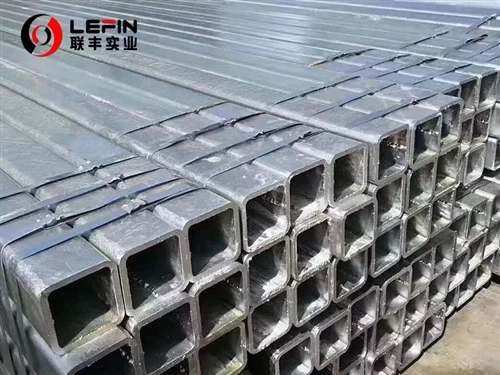
ERW (Electric Resistance Welding) Pipes

Process:
- Steel strips (coils) are cold-formed into a cylindrical shape.
- The longitudinal seam is welded using electric resistance heat (no filler metal). Current flows through the edges, generating heat to fuse the metal.
- Post-weld heat treatment (PWHT) is often applied to relieve residual stresses.
Basic Information:
Seam orientation: Straight longitudinal seam.
Outside Diameter: Typically small to medium diameters (up to 24 inches).
Wall Thickness: Generally thinner walls compared to LSAW/SSAW.
Surface: Smooth, with minimal weld bead.
Pros:
- Cost-effective for mass production.
- Suitable for low-to-medium pressure applications (e.g., water, gas, structural uses).
- No filler material required.
Cons:
- Limited to smaller diameters and lower pressure tolerance.
- Weld integrity may vary due to reliance on electrical contact.
Applications:
Plumbing, fencing, scaffolding, low-pressure oil/gas pipelines.
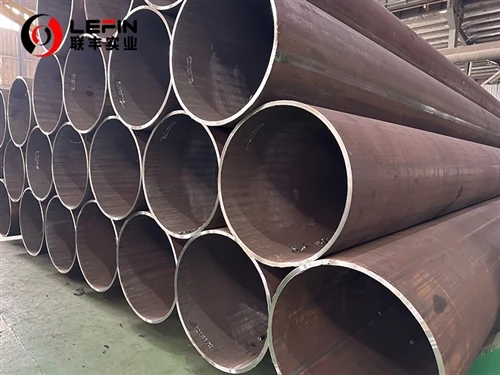
LSAW (Longitudinal Submerged Arc Welding) Pipes

Process:
- Steel plates are bent into a cylindrical shape (UOE forming: U-ing, O-ing, Expanding).
- A single longitudinal seam is welded using submerged arc welding (SAW) with filler wire and flux.
- The weld is performed on the inside and outside of the pipe for robustness.
Basic Information:
Seam orientation: Straight longitudinal seam.
Outside Diameter: Large diameters (20–60 inches or more).
Wall Thickness:Thick walls (suitable for high-pressure applications).
Strength: Superior mechanical properties due to plate material and double-sided welding.
Pros:
- High strength and pressure resistance.
- Ideal for critical applications (e.g., offshore pipelines, high-pressure oil/gas).
- Consistent weld quality with automated SAW process.
Cons:
- Higher cost due to plate-based manufacturing.
- Limited flexibility in diameter adjustments.
Applications:
Long-distance oil/gas transmission, offshore pipelines, structural pilings.
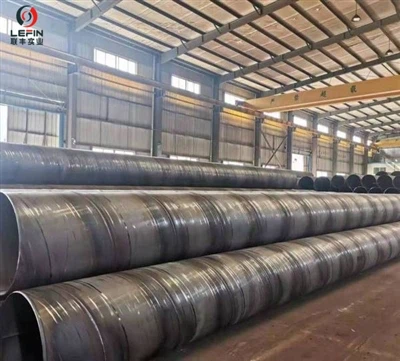
SSAW (Spiral Submerged Arc Welding) Pipes

Process:
- Steel coils are helically (spirally) wound into a cylindrical shape at an angle (15°–25°).
- The continuous spiral seam is welded using submerged arc welding (SAW) on both sides.
Basic Information:
Seam orientation: Spiral/helical seam.
Outside Diameter:Medium to large diameters (20–120 inches).
Wall Thickness:Thicker walls than ERW but generally thinner than LSAW.
Flexibility: Easier to adjust diameter by changing the winding angle.
Pros:
- Cost-effective for large diameters.
- Balanced strength due to spiral weld distributing stress evenly.
- Suitable for uneven terrain (flexible installation).
Cons:
- Spiral weld may create residual stresses.
- Surface finish is rougher compared to LSAW.
Applications:
Water transmission, piling, low-to-medium pressure oil/gas pipelines.
Key Differences Summary
| Aspect | ERW | LSAW | SSAW |
|---|---|---|---|
| Seam Type | Straight longitudinal | Straight longitudinal | Spiral/helical |
| Material | Coiled steel strips | Steel plates | Coiled steel strips |
| Diameter | Small to medium | Large | Medium to very large |
| Pressure | Low-to-medium | High | Medium-to-high |
| Cost | Low | High | Moderate |
| Applications | Non-critical/low-pressure | Critical/high-pressure | Water, piling, medium-pressure |
In summary, the choice between ERW, LSAW, and SSAW pipes depends on the specific requirements of the project, including pressure demands, diameter needs, and cost considerations. Each type offers unique advantages and is suited to different applications.