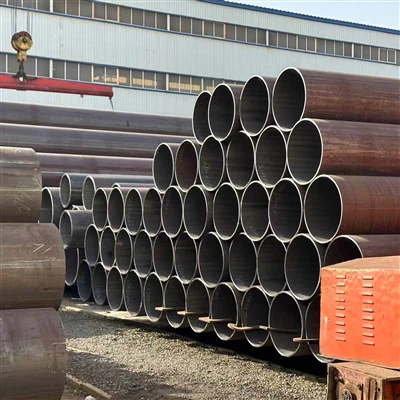
3PE anti-corrosion steel pipes are renowned for their exceptional resistance to corrosion and mechanical strength, making them a preferred choice in a variety of industries. Here's a comprehensive introduction to 3PE anti-corrosion steel pipes from different perspectives:
CLICK HERE➡FBE Coating Systems
Standards
3PE anti-corrosion steel pipes are manufactured in compliance with several international standards to ensure quality and performance.
- API 5L: This standard specifies the requirements for line pipes used for the transmission of oil, gas, and other substances.
- ISO 21809: This international standard is specifically for external coatings for buried or submerged pipelines used in pipeline transportation systems.
- DIN 30670: This German standard covers polyethylene coatings of steel pipes and fittings.
- EN10217: This European standard specifies the technical delivery conditions for welded steel tubes for pressure purposes.
- CSA Z245.21: A Canadian standard that outlines the requirements for the external fusion-bonded epoxy coating of steel pipes.
Steel Grades
The base material for 3PE anti-corrosion steel pipes can include various steel grades such as:
- A53 GR.B: A grade of pipe used for low-pressure liquid delivery.
- A36: A common carbon steel often used in structural applications.
- ST52: A higher-strength steel grade used for various structural purposes.
- X42, X46, X52, X56, X60, X65, X70: These grades are used for pipes in gas and oil pipelines, with increasing numbers indicating higher strength levels.

what kind of types steel pipes that can be treated with 3PE (Three-Layer Polyethylene) coating
- Seamless Steel Pipes: These are pipes made from a single piece of steel without any welds or seams. They are known for their strength and are suitable for high-pressure applications.
- Spiral Steel Pipes: These pipes are made by spirally winding a steel strip around a cylindrical mandrel to form a tubular shape. They are often used for large diameter pipes and are known for their resistance to corrosion.
- Straight Seam Steel Pipes: These pipes have a longitudinal seam where the edges of the steel plate are joined together. They are commonly used in various construction and industrial applications.
- Welded Steel Pipes: These can include both Electric Resistance Welded (ERW) and Submerged Arc Welded (SAW) pipes. They are cost-effective and widely used in various applications, including fluid transportation.
- Stainless Steel Pipes: These pipes are made from stainless steel and are resistant to corrosion, making them suitable for use in environments where high levels of corrosion resistance are required.
- Alloy Steel Pipes: These pipes are made from steel alloys and are designed to have specific properties, such as increased strength or resistance to high temperatures.
- Nickel Alloy Pipes: These pipes are made from nickel-based alloys and are known for their excellent corrosion resistance, especially in aggressive environments.
- CRA Clad or Lined Pipes: CRA (Corrosion Resistant Alloy) clad or lined pipes are used where there is a need to protect the base material from corrosion by using a layer of more corrosion-resistant material.
The 3PE coating process is versatile and can be applied to a variety of steel pipe types to provide enhanced corrosion protection, making them suitable for use in oil and gas pipelines, water supply systems, and other industries where corrosion resistance is crucial.
Production Process
The manufacturing process of 3PE anti-corrosion steel pipes involves several steps:
- Surface Preparation: The pipe surface is cleaned using abrasive blasting to remove rust, mill scale, and other contaminants, ensuring proper adhesion of the coating.
- Pre-heating: The pipe is pre-heated to a temperature of about 200-250°C to ensure that the subsequent layers bond effectively.
- Application of Fusion Bonded Epoxy (FBE): The FBE powder is sprayed onto the pre-heated pipe surface, melting and forming a continuous, adherent film.
- Application of Adhesive Layer: A layer of adhesive is applied over the FBE coating, ensuring a strong bond between the epoxy and polyethylene layers.
- Application of Polyethylene Layer: The polyethylene layer is extruded and applied over the adhesive layer, fusing with the adhesive to form a protective outer layer.
- Cooling and Inspection: The coated pipe is cooled and undergoes thorough inspection and testing to ensure the coating's integrity and adhesion.
Applications
3PE anti-corrosion steel pipes are used in a wide range of applications due to their excellent corrosion resistance and mechanical properties:
- Oil and Gas Transportation: Used for transporting oil, gas, and other petroleum products in corrosive environments.
- Chemical Fluid Transportation: Effectively resists chemical erosion, ensuring the safe transportation of chemical fluids.
- Municipal Engineering: Suitable for water supply, sewage systems, and other infrastructure applications in urban development.
- Marine Engineering: Offers outstanding resistance to the challenges of marine environments, making it ideal for offshore pipelines and subsea systems.
- Agricultural Irrigation: Provides excellent anti-corrosion performance and environmental safety for irrigation networks.
These aspects highlight the versatility and importance of 3PE anti-corrosion steel pipes in modern industrial applications, offering long-term protection and durability against various environmental and chemical challenges.