As a trusted supplier of ASTM A795 steel pipe, I understand the critical importance of safety during the installation process. ASTM A795 steel pipes are widely used in fire protection systems due to their excellent mechanical properties and corrosion resistance. However, improper installation can not only lead to system failures but also pose significant safety risks. In this blog, I will share some essential safety precautions that should be taken during the installation of ASTM A795 steel pipe.
Pre - installation Safety Precautions
1. Personal Protective Equipment (PPE)
Before starting the installation, all workers should be equipped with appropriate PPE. This includes hard hats to protect against falling objects, safety glasses to shield the eyes from flying debris, and steel - toed boots to prevent foot injuries. Gloves are also necessary to protect hands from sharp edges of the pipes and to provide a better grip during handling. Respirators may be required if there is a risk of inhaling dust or fumes, for example, when cutting or welding the pipes.

2. Site Inspection
A thorough inspection of the installation site is crucial. The area should be free of any obstacles, such as rocks, tools, or debris, that could cause tripping hazards. Check for the presence of underground utilities, including water lines, gas pipes, and electrical cables. Mark their locations clearly to avoid accidental damage during excavation or drilling. Ensure that the ground is stable and level to support the weight of the pipes and equipment. If the site is near traffic areas, proper barriers and warning signs should be set up to prevent unauthorized access.
3. Equipment Check
All installation equipment, such as cranes, hoists, and welding machines, should be inspected and maintained regularly. Check for any signs of wear and tear, loose parts, or malfunctioning components. Ensure that the equipment is properly calibrated and meets all safety standards. For example, the lifting capacity of the crane should be sufficient to handle the weight of the pipes, and the welding machine should be grounded correctly to prevent electrical shocks.
4. Pipe Inspection
Before installation, carefully inspect each ASTM A795 steel pipe for any defects, such as cracks, dents, or corrosion. Check the pipe dimensions to ensure they meet the project specifications. The pipe ends should be clean and free of any burrs or debris. If any damaged pipes are found, they should be removed from the site and replaced with new ones to avoid potential leaks or failures in the system.
Safety Precautions During Handling and Lifting
1. Proper Lifting Techniques
When lifting the ASTM A795 steel pipes, use appropriate lifting equipment and techniques. Cranes or hoists should be operated by trained and certified operators. The pipes should be lifted using slings or chains that are in good condition and have the appropriate load - bearing capacity. Avoid using damaged or worn - out lifting gear. The pipes should be lifted evenly to prevent them from tipping or swinging, which could cause injuries to workers or damage to the pipes.
2. Handling on the Ground
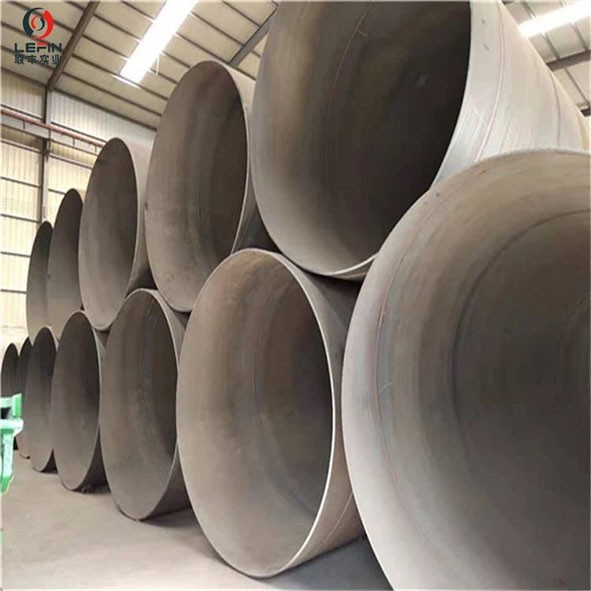
When moving the pipes on the ground, use dollies or rollers to reduce the risk of back injuries from manual handling. Ensure that the pipes are stacked and stored in a stable manner to prevent them from rolling or falling. If multiple pipes are stacked, use spacers between them to keep them separated and prevent damage.
3. Avoiding Collisions
During the handling and installation process, be aware of the surrounding environment and other workers. Avoid collisions between the pipes and other objects or equipment. Use hand signals or two - way radios to communicate effectively between the crane operator and the ground crew. If the pipes need to be moved through narrow passages or around corners, take extra care to ensure a safe passage.
Safety Precautions During Pipe Joining
1. Welding Safety
If welding is required for joining the ASTM A795 steel pipes, strict safety measures should be followed. Welders should be trained and certified to perform the welding work. The welding area should be well - ventilated to prevent the accumulation of harmful fumes. Fire extinguishers should be readily available in case of a fire. Before starting the welding, clean the pipe surfaces thoroughly to ensure a good weld. Use appropriate welding electrodes and follow the recommended welding procedures.
2. Threaded Joints
When using threaded joints for pipe connection, ensure that the threads are clean and undamaged. Apply an appropriate thread - sealing compound to prevent leaks. Use the correct tools, such as pipe wrenches, to tighten the joints to the proper torque. Over - tightening or under - tightening the joints can lead to leaks or joint failures.
3. Grooved Joints
For grooved joints, make sure that the grooves on the pipes are clean and free of any debris. The gaskets used in the grooved joints should be in good condition and properly installed. Use the recommended installation tools to ensure a secure connection. Check the joint for proper alignment and tightness after installation.
Safety Precautions During Testing and Commissioning
1. Pressure Testing
After the installation is complete, the ASTM A795 steel pipe system should be pressure - tested to ensure its integrity. During the pressure test, all workers should stay clear of the pipes and the test equipment. Set up appropriate barriers and warning signs around the test area. Use a pressure gauge to monitor the pressure accurately. Do not exceed the maximum test pressure specified for the pipes. If any leaks or abnormalities are detected during the test, the system should be depressurized immediately, and the issues should be addressed before further testing.
2. Commissioning
During the commissioning process, follow the manufacturer's instructions carefully. Start the system gradually and monitor the flow and pressure. Check for any signs of vibration, noise, or leaks. Ensure that all safety devices, such as pressure relief valves and flow switches, are functioning properly.
Conclusion
Safety should always be the top priority during the installation of ASTM A795 steel pipes. By following these safety precautions, we can minimize the risk of accidents and ensure a successful installation. As a supplier of ASTM A795 steel pipe, I am committed to providing high - quality products and also offering support and advice on safe installation practices.
If you are in need of ASTM A795 steel pipes or other related products such as AWWA C205 Steel Water Pipe, Pipe Pile, or ASTM A53 SSAW STEEL PIPE, please feel free to contact us for procurement and further discussion. We look forward to working with you on your next project.
References
- American Society for Testing and Materials (ASTM). ASTM A795 Standard Specification for Steel Pipe, Electric - Fusion - Welded, for Fire - Protection Service.
- Occupational Safety and Health Administration (OSHA). Safety standards for construction and industrial workplaces.
- Manufacturers' installation manuals for ASTM A795 steel pipes and related equipment.