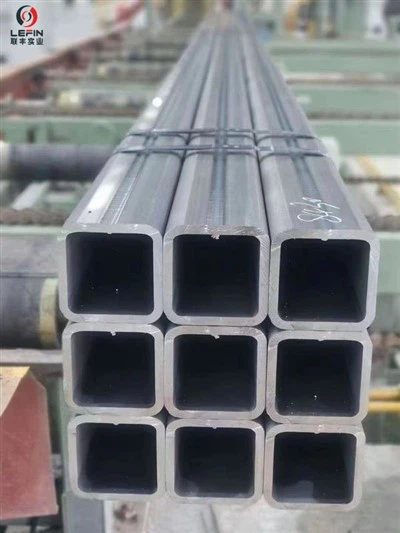
The international standards for scaffold pipes and corresponding steel grades are as follows, covering the norms of different countries and regions:
ASTM Standard (USA)
ASTM A53
• Steel grade: Gr B (minimum yield strength ≥240 MPa)
• Application: Welded and seamless steel pipes, often used for general structural support.
ASTM A500
• Steel grade: Gr B (≥317 MPa), Gr C (≥345 MPa), Gr D (≥386 MPa)
• Application: Cold-formed structural steel pipe, suitable for high-load scaffolding.
EN Standard (Europe)
EN 39
• Steel grade: S235 (yield strength ≥235 MPa), S355 (≥355 MPa)
• Application: Steel pipe for scaffolding, emphasizing corrosion resistance and strength.
EN 12811-1
• Steel grade: S235JR, S355J0/J2
• Applications: temporary engineering structures, including bearing capacity requirements.
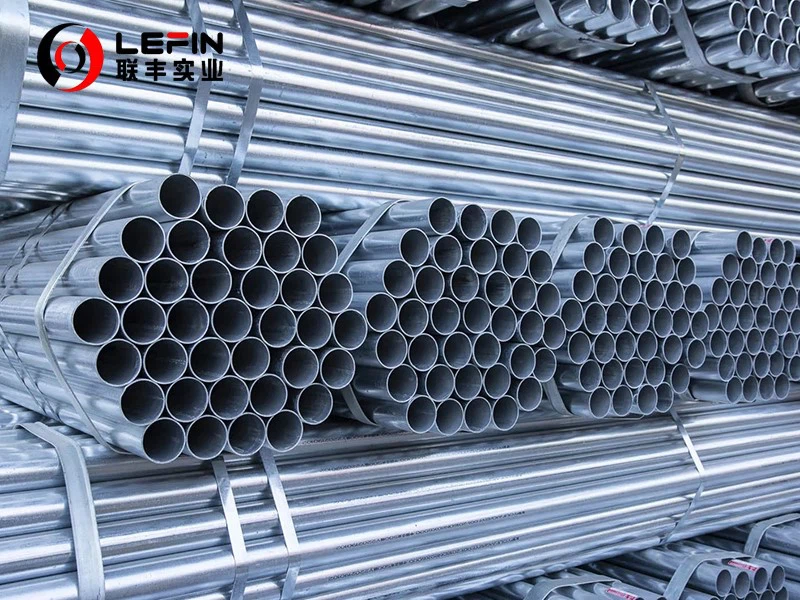
BS Standard (UK)
• BS 1139
• Grade: Grade S355 (≥355 MPa)
• Application: Metal scaffolding pipe, widely used in the United Kingdom and Commonwealth countries.
JIS Standard (Japan)
• JIS G3444
• Steel grade: STK400 (yield strength ≥235 MPa), STK500 (≥325 MPa)
• Application: Structural carbon steel pipe, commonly found in Asian markets.
GB Standard (China)
• GB/T 3091
• Steel grade: Q235 (yield strength ≥235 MPa), Q345 (≥345 MPa)
• Application: Welded steel pipe for low pressure fluid transportation and structure, widely used in domestic scaffolding.
ISO Standard (International)
• ISO 20349
Citation standards: ASTM or EN standards are usually cited, such as S235/S355 or Gr B/C.
• Application: General requirements relating to scaffold safety and materials.
AS/NZS Standard (Australia/New Zealand)
• AS/NZS 1576
• Steel Grade: Grade C350 (yield strength ≥350 MPa), C450 (≥450 MPa)
• Application: High-strength scaffolding, suitable for harsh environments.
Steel grade specification
• Naming rules: For example, "235" in S235 and Q235 indicates that the yield strength is 235 MPa, and the chemical composition and test method of different standards may be different.
• Selection: Select the appropriate standard based on engineering requirements (e.g. load bearing, weather resistance) and local regulations, such as:
• In high-load scenarios: ASTM A500 Gr C/D or EN S355 is preferred.
• Common scenario: ASTM A53 Gr B or GB Q235 will suffice.