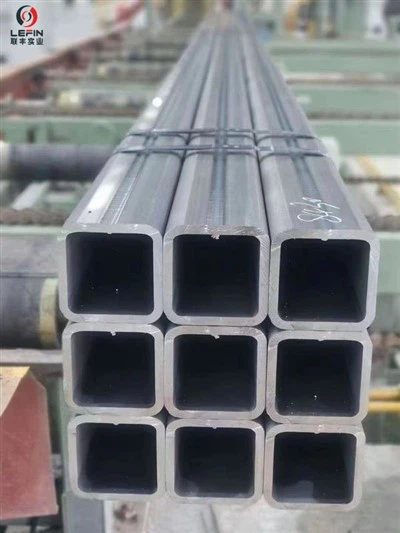
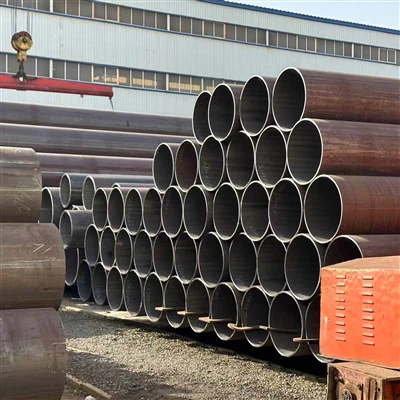
Definition
Hot-dip galvanizing is a process where steel pipes are immersed in a bath of molten zinc. This creates a metallurgical bond between the zinc and steel, forming a protective zinc-iron alloy layer on the surface of the pipe. This layer acts as a barrier against corrosion, significantly extending the pipe's lifespan.
Basic Information
Full Name:
Hot Dip Galvanized Steel Pipe.
Dimensions:
Outer Diameter: Range from 1/2" (12.7mm) to 12" (304.8mm) or even larger.
Wall Thickness: The wall thickness typically varies from 1.0mm to 8.0mm.
Length: Common lengths include 5.8 meters, 6 meters, and 12 meters, can also be produced according to customer requirements.
Common Standards and Steel Grades:
British Standard: BS 1387, BS EN 39
American Standard: ASTM A53, ASTM A36, ASTM A500
Japanese Standard: JIS G3444
Australian Standard: AS 1163
European Standards: EN 10225
Steel Grades: Q235B, Q345B, GR.A, GR.B, GR.C, STK 400, STK 490,C250, C350, S235JR, S355JR
Applications
Hot-dip galvanized steel pipes are widely used in various industries due to their durability and corrosion resistance. Common applications include:
- Construction: Used in building structures, scaffolding, and support systems.
- Infrastructure: Ideal for highway guardrails, bridge railings, and utility poles.
- Water and Gas Transportation: Suitable for pipelines due to their resistance to rust and corrosion.
- Power Engineering: Used in cable protection tubes and brackets to ensure long-term stability in humid environments.
Benefits of Hot-Dip Galvanizing
- Superior Durability: The zinc layer acts as a sacrificial layer, protecting the underlying steel from corrosion and extending the pipe's lifespan.
- Corrosion Resistance: Hot-dip galvanized steel pipes can withstand harsh environmental conditions, including humidity, chemicals, and even underground environments.
- Long Lifespan: Due to their outstanding corrosion resistance, they have a significantly longer lifespan than regular steel pipes, often lasting over 50 years.
- Low Maintenance: The zinc coating acts as a self-healing barrier, ensuring that minor scratches or wear do not compromise the pipe's integrity.
- Versatility: Suitable for many applications, including water supply systems, drainage systems, gas pipelines, outdoor structures, and fencing.
- Cost-Effective: Although the initial cost may be higher compared to other materials, their long lifespan and low maintenance requirements make them a cost-saving choice in the long term.
Process of Hot-Dip Galvanizing
- Cleaning: The steel pipes undergo thorough cleaning to remove any impurities or dirt, ensuring optimal zinc adherence.
- Degreasing: The pipes are soaked in an acidic solution to remove wear or oxides from the surface, preparing the steel for the galvanizing process.
- Galvanizing: The cleaned and degreased steel pipes are immersed in a bath of molten zinc. Through a metallurgical reaction called hot-dip galvanizing, the zinc forms a tightly bonded coating on the steel surface.
- Cooling and Inspection: After galvanizing, the steel pipes are cooled and inspected for quality control, ensuring a uniform zinc layer with no defects.
In summary, hot-dip galvanized steel pipes are a robust and versatile solution for applications requiring high durability and corrosion resistance. Their production process ensures a high-quality coating that significantly extends their lifespan.